

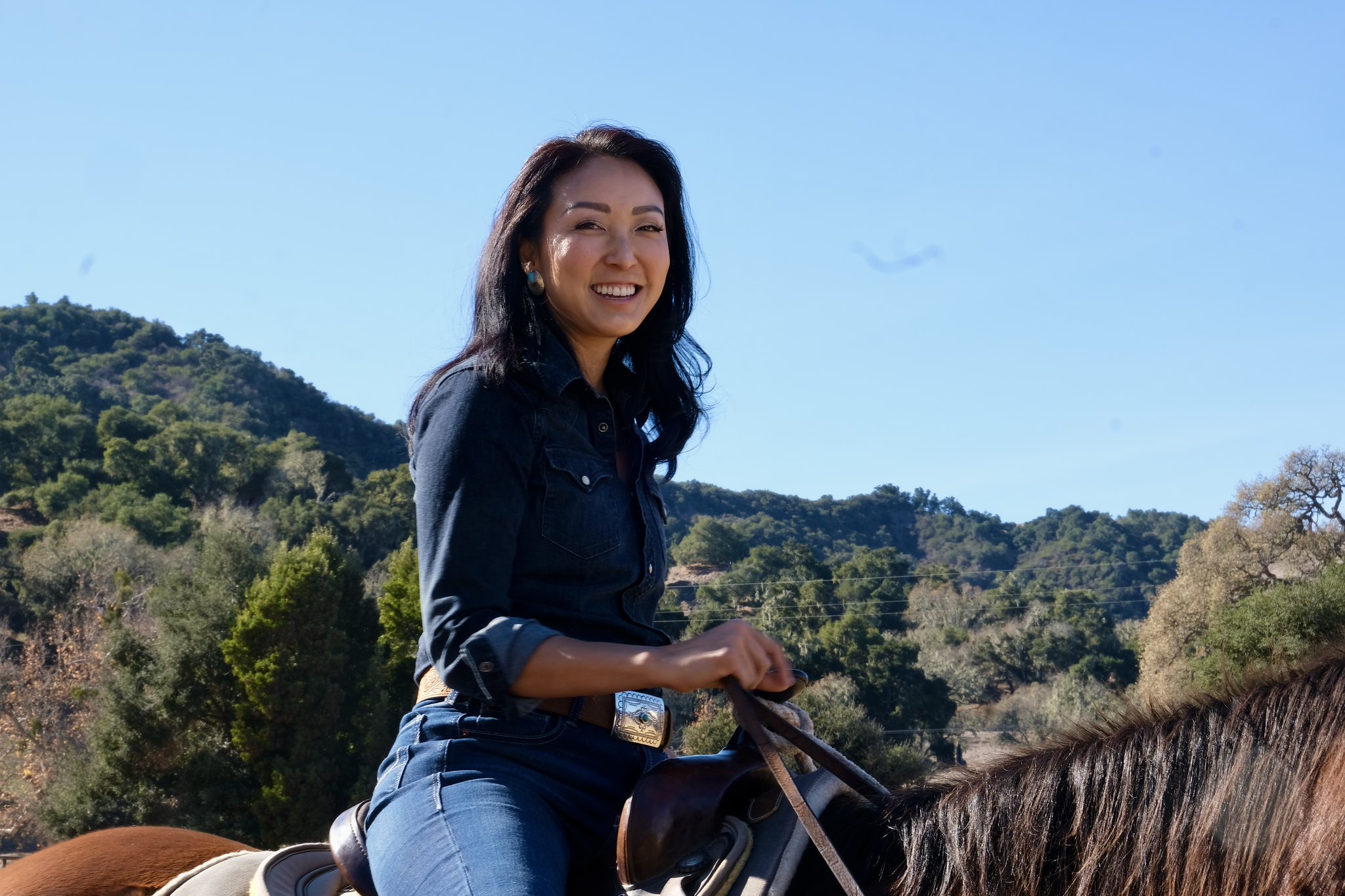
At Artlogic Connect 2025, journalist Julia Halperin sat down with Esther Kim Varet, founder of Various Small Fires and current congressional candidate, for a conversation that was part gallery story, part leadership lesson, and part reflection on what it means to act on your beliefs.
At first glance, running a gallery and running for Congress might seem worlds apart. Esther herself acknowledged the surprise many people express when they hear about her candidacy.
“What’s an art dealer doing running for Congress? And I’m just kind of like, do you even know what the art world stands for, or what we say we stand for?”
But as the conversation unfolded, the connection became clearer. Esther spoke about building a gallery from the ground up, navigating uncertainty, taking risks, supporting artists, and making difficult decisions when there are no obvious answers. In many ways, the same qualities that helped her build Various Small Fires are informing her approach to public life.
Rather than focusing on politics, the discussion explored questions that will resonate with many gallery owners and art professionals: How do you stay true to your values when circumstances change? How do you know when to grow, when to pull back, or when to take a chance on something new? And how do you build a business that reflects what matters to you?
Here are some of the moments that stood out.
What Running a Gallery Teaches You About Leadership
One of the strongest themes throughout the conversation was Esther’s belief that leadership is rooted in experience.
She spoke openly about the realities of running a gallery: employing staff, managing costs, weathering uncertainty, and making decisions that affect other people’s livelihoods. Those experiences, she argued, teach lessons that cannot be learned from a distance.
For anyone who runs a gallery, that will sound familiar. Behind every exhibition is a long list of practical considerations, from artist relationships and sales to shipping, staffing, and finances. The work is often invisible, but it shapes every decision.
Reflecting on her own journey, Esther noted:
“Despite what people told me that I could or couldn’t do in my life… I came to this place where I was running multiple galleries.”
It was a reminder that leadership is rarely something people simply step into. More often, it is built gradually through experience, persistence, and a willingness to keep going when the path forward is unclear.
Turning Values Into Action
Another recurring theme was the relationship between values and action.
Esther spoke candidly about what she sees as a disconnect between the ideals often celebrated in the art world and the actions people are willing to take when those values are tested.
The point wasn’t about perfection. It was about consistency.
For galleries, that idea feels particularly relevant. Many organizations talk about community, representation, inclusion, or supporting artists. The harder question is how those commitments show up in everyday decisions through programming, partnerships, hiring, communication, and long-term relationships.
The conversation offered a useful reminder that values are not something a gallery publishes once on an About page. They are reflected in the choices made over time.
Knowing When to Grow, and When to Pause
Esther also reflected on growth, sharing how she has approached expansion throughout her career.
Rather than chasing momentum for its own sake, she described paying close attention to changing conditions, looking for opportunities others might overlook, and being willing to adapt when circumstances shift.
Just as important, she spoke about knowing when not to expand.
Shipping costs, changing collector behavior, economic uncertainty, and broader market pressures all influence whether growth is sustainable. Success, she suggested, often comes from understanding what’s happening beneath the headlines rather than simply following trends.
That perspective will resonate with many galleries today. Growth is not always about doing more. Sometimes it means focusing more carefully, strengthening existing relationships, and making thoughtful decisions before external pressures force change.
“I have always built a program that is very much centered around the most vital concerns of my generation.”
Start With Your Community
When asked what advice she would give someone opening a gallery today, Esther’s answer was refreshingly straightforward: start small, stay connected to your community, and be selective about where you invest your time and resources.
It was a simple point, but an important one.
Many successful galleries begin with a clear sense of purpose rather than a grand strategy. They develop strong relationships, earn trust over time, and build momentum gradually.
In a market that often rewards visibility, Esther’s advice offered a different perspective: focus on doing meaningful work, support the people around you, and build from there.
A Conversation About Conviction
What made this discussion memorable was not that it offered a blueprint for success. It was that it explored what happens when someone decides to act on their convictions, even when the path is uncertain.
For gallery owners, directors, and art professionals, the most valuable takeaway may be that leadership is rarely about having all the answers. More often, it is about making thoughtful decisions, staying connected to your values, and continuing to move forward when circumstances change.
As the art world continues to evolve, those qualities remain as important as ever.
Watch the Conversation
Want more conversations like this from Artlogic Connect 2025? Explore the full event series for more insights from gallery leaders, artists, and experts from across the art world.